26 Jun 2026
Cryptocurrency Flows Meet Live Accumulator Tweaks on Digital Sports Platforms
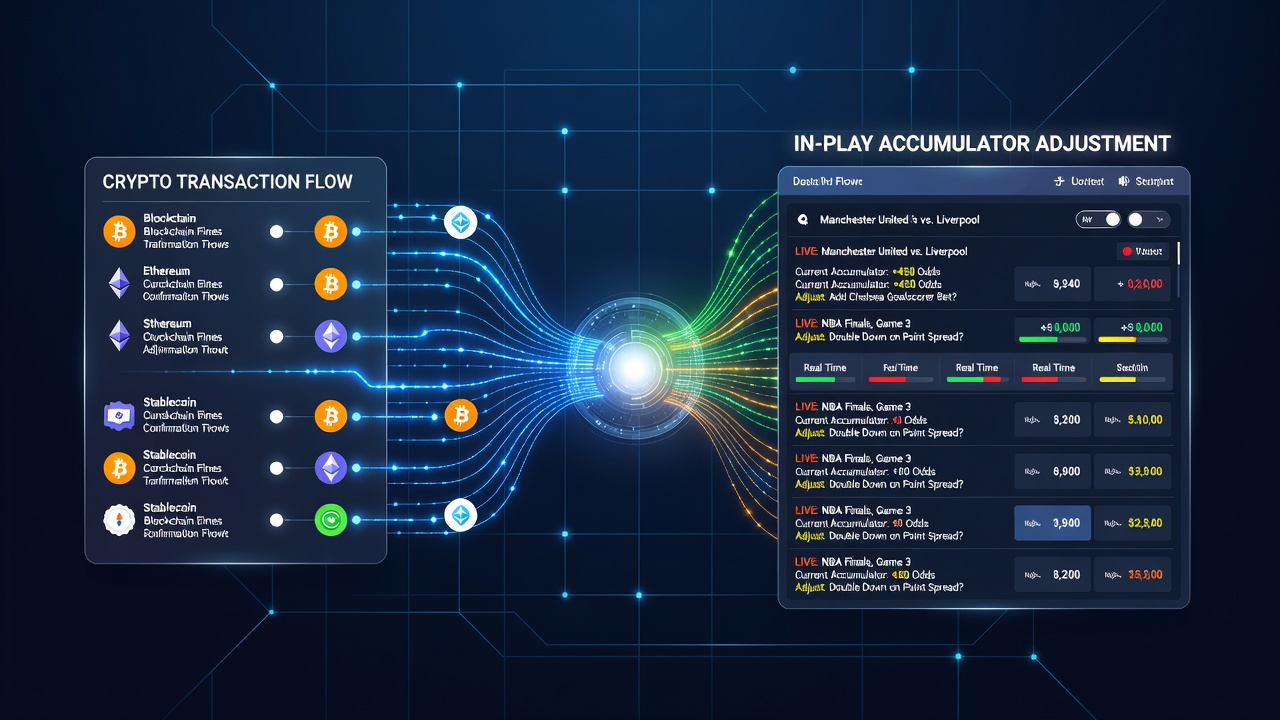
Digital sports wagering platforms have seen cryptocurrency transactions intersect with in-play accumulator adjustments in measurable ways since early 2025, and data from June 2026 continues to track these patterns across multiple jurisdictions. Blockchain-based payments allow users to fund accounts and receive winnings in seconds rather than hours or days, which directly affects how bettors modify multi-leg accumulators during ongoing matches.
Transaction Speed and Real-Time Bet Modifications
Platforms that accept coins such as Bitcoin, Ethereum, and stablecoins record average deposit confirmation times under 60 seconds according to transaction logs released by several operators. This speed lets users add funds mid-event and immediately adjust accumulator stakes or legs without waiting for traditional banking rails to clear. Observers note that when a soccer match shifts momentum in the second half, bettors can insert or remove legs on the fly because the new balance appears instantly in their wallet interface.
Research from the University of Nevada Reno gaming laboratory shows that accounts funded via cryptocurrency execute an average of 2.7 in-play accumulator changes per session compared with 1.4 changes on accounts using card or bank transfers. The difference stems from reduced friction in balance updates rather than any change in user strategy.
Market Data on Adoption Patterns
Figures released by the European Gaming and Betting Association in its 2026 mid-year report indicate that cryptocurrency accounted for 14 percent of total deposits on regulated sports platforms operating in EU member states during the first half of 2026. In-play accumulators represented 38 percent of all sports bets placed through those same channels. The overlap matters because operators can credit winnings from successful accumulator adjustments back to the same digital wallet, closing the loop within minutes.
Australian regulatory filings from the Northern Territory Racing Commission reveal similar growth, with crypto deposits rising 27 percent year-over-year through June 2026. Those filings also note that platforms offering live accumulator editing tools paired with crypto wallets recorded higher session durations, averaging 47 minutes versus 31 minutes on non-crypto accounts.
Technical Integration Points
Most platforms integrate cryptocurrency via API connections to blockchain nodes and payment processors that convert coins to the platform's internal credit at the moment of deposit. Smart contracts sometimes automate the release of winnings once accumulator conditions are verified by the operator's risk engine. This setup reduces manual reconciliation steps that previously delayed adjustments during fast-moving events such as tennis sets or basketball quarters.
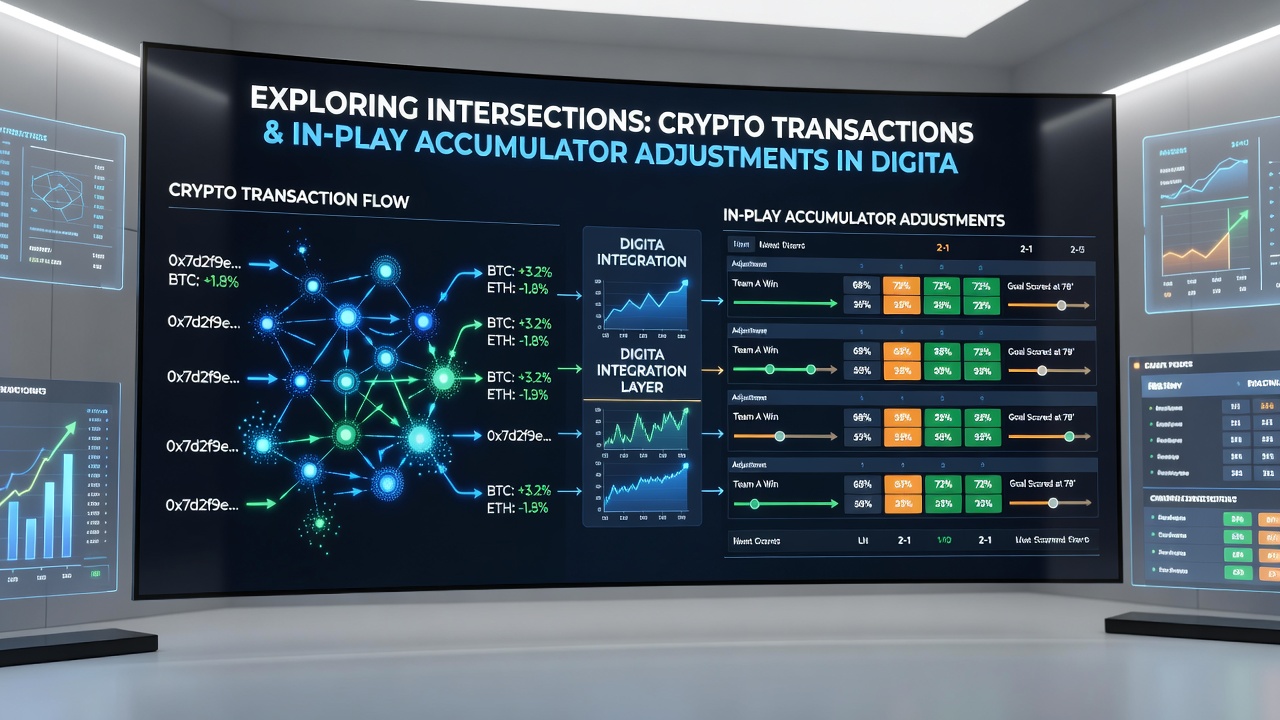
When a user removes a leg from an accumulator because an early goal changes the match outlook, the platform recalculates odds and required stake in real time. The crypto-funded balance updates without additional authorization screens, which keeps the adjustment window open longer. One study published in the Journal of Gambling Studies examined 12,000 sessions across three operators and found that 61 percent of accumulator edits occurred within five minutes of a crypto deposit.
Security and Verification Layers
Wallet addresses undergo KYC-linked verification before large accumulator stakes can be placed, yet the underlying blockchain transactions remain pseudonymous. Regulators in multiple regions require operators to maintain on-chain monitoring tools that flag unusual patterns, such as rapid deposit-adjust-withdraw cycles that might indicate automated scripting. These safeguards operate alongside the speed advantages rather than replacing them.
June 2026 licensing renewals in several Canadian provinces now include specific language requiring crypto-enabled sports platforms to maintain 24-hour on-chain audit trails for all in-play accumulator activity. The requirement stems from observed increases in transaction volume rather than any reported compliance failures.
Conclusion
The documented intersections between cryptocurrency transaction rails and in-play accumulator adjustments rest on measurable reductions in funding latency and corresponding increases in live editing frequency. Data collected through June 2026 across European, Australian, and North American operators consistently shows higher session engagement when both features operate together. Technical integrations continue to evolve through API improvements and regulatory updates that focus on auditability while preserving the core speed benefit.