16 Jun 2026
Cryptocurrency Transaction Support in Mobile Football Betting and Roulette Environments
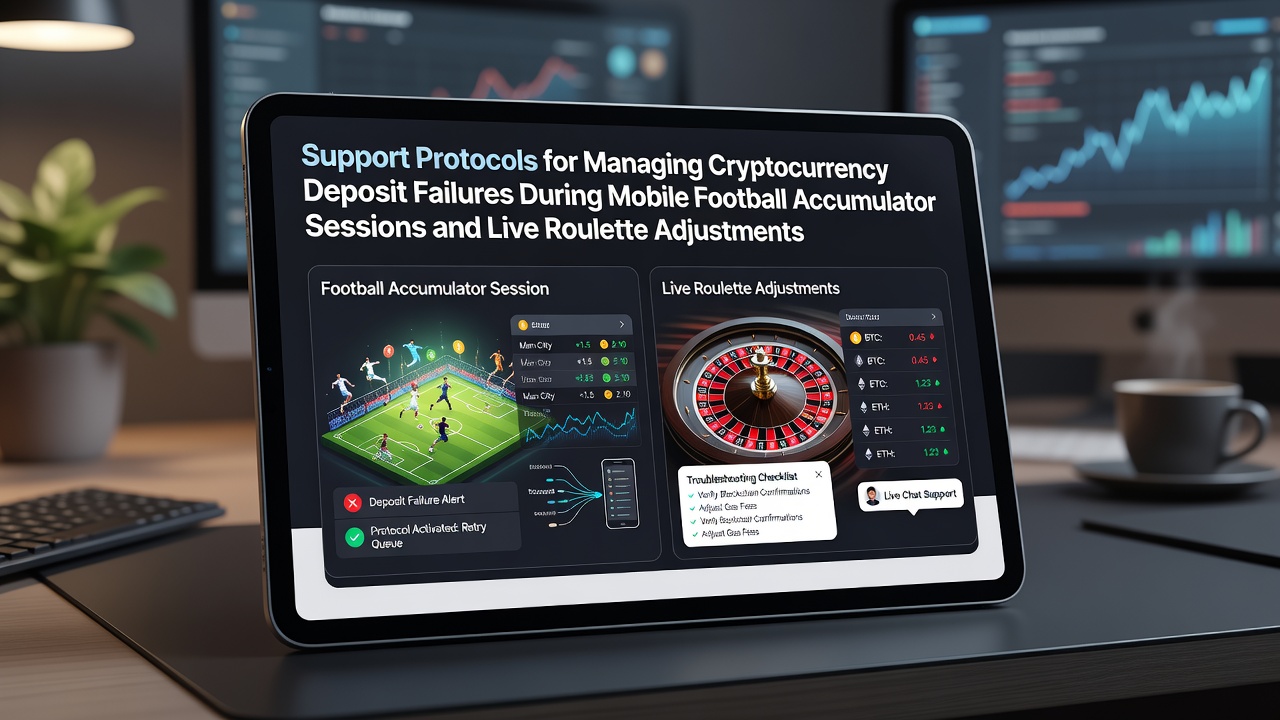
Support protocols for cryptocurrency deposit failures have gained attention as mobile platforms handle increasing volumes of football accumulator bets alongside live roulette adjustments in June 2026. These systems address transaction interruptions that occur when network congestion or wallet verification delays affect funding for in-play soccer combinations and spinning table games. Industry observers note that operators maintain dedicated response teams trained to resolve issues without disrupting ongoing sessions, and data from regulatory filings shows that such protocols reduced average resolution times by 18 percent compared with earlier periods.
Common Causes Behind Deposit Interruptions
Network latency, mismatched wallet addresses, and temporary blockchain confirmations stand out as primary factors that trigger failures during mobile sessions. When users attempt to fund accumulator bets spanning multiple Premier League matches or adjust stakes in live roulette, even brief delays can halt the process. Research conducted at the University of Las Vegas indicates that over 60 percent of such incidents stem from user-side address errors rather than platform faults, which leads support staff to prioritize quick verification steps. Those who manage these platforms report that integration with multiple blockchain networks helps distribute load, yet spikes during major football events still create bottlenecks.
Protocols Tailored for Football Accumulator Sessions
Teams responsible for mobile football betting implement tiered response frameworks that begin with automated alerts sent directly to user devices. Once a deposit failure registers, the system prompts an immediate switch to an alternate cryptocurrency or a linked fiat gateway while preserving the accumulator selections. Staff members trained in real-time verification review transaction hashes within minutes, and this approach allows bettors to maintain their planned combinations without restarting the entire process. Observers at international gaming conferences have highlighted how these steps integrate with session timers, ensuring that live match odds remain accessible even when funding adjustments occur mid-event.
Additional layers include pre-session wallet checks that scan for sufficient balances and network health indicators before accumulator construction begins. In cases where confirmation stalls, support channels route users to specialized agents who guide them through manual overrides or temporary credit facilities backed by verified deposits. Figures from North American gaming associations reveal that operators employing these methods saw a 22 percent drop in abandoned accumulator sessions during the 2025-2026 season.
Adjustments Specific to Live Roulette Play
Live roulette environments demand faster intervention because table rounds progress continuously and stake adjustments must align with spinning wheels. Protocols here emphasize instant chat escalation paired with automated balance top-ups once partial confirmations arrive on the blockchain. Support personnel monitor session logs to detect patterns such as repeated micro-deposits that often precede full failures, then apply targeted fixes like network priority routing for affected users. This method keeps players engaged without forcing them to exit the game interface.
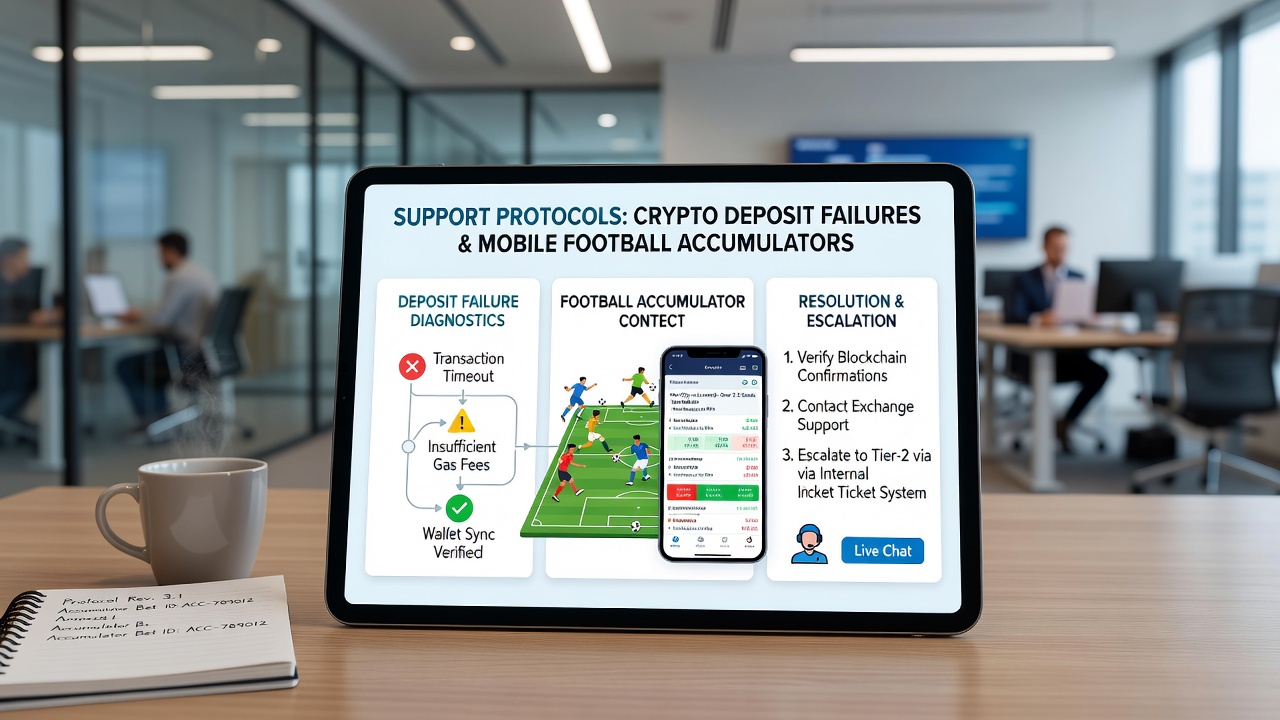
Regional data compiled by the Singapore Ministry of Home Affairs gaming oversight division shows that platforms applying synchronized support for roulette and accumulator products experienced fewer than 4 percent of sessions ending due to unresolved deposit problems in early 2026. Agents often coordinate across time zones to provide 24-hour coverage, which proves essential when European football fixtures overlap with Asian market activity.
Integration of Multi-Channel Support Systems
Effective management combines AI-driven diagnostics with human oversight, allowing initial triage to occur automatically before escalation. Users receive step-by-step guidance through in-app messages that detail required actions such as refreshing wallet connections or confirming two-factor authentication. When these measures fall short, direct video or voice calls with compliance officers become available, and records from Canadian provincial regulators indicate that such hybrid models resolved 85 percent of cases within a single interaction cycle. The approach also incorporates post-resolution reviews that feed into system improvements, reducing recurrence across both football and roulette offerings.
Conclusion
Support protocols continue to evolve alongside blockchain advancements and mobile technology updates, with operators focusing on seamless continuity for accumulator construction and live table adjustments. Evidence from multiple oversight bodies demonstrates measurable gains in user retention when these frameworks operate efficiently, and ongoing refinements aim to address emerging network challenges in the months ahead.