30 Jun 2026
How Payment Systems Are Redefining Session Lengths in Mobile Table Games and Matchday Markets
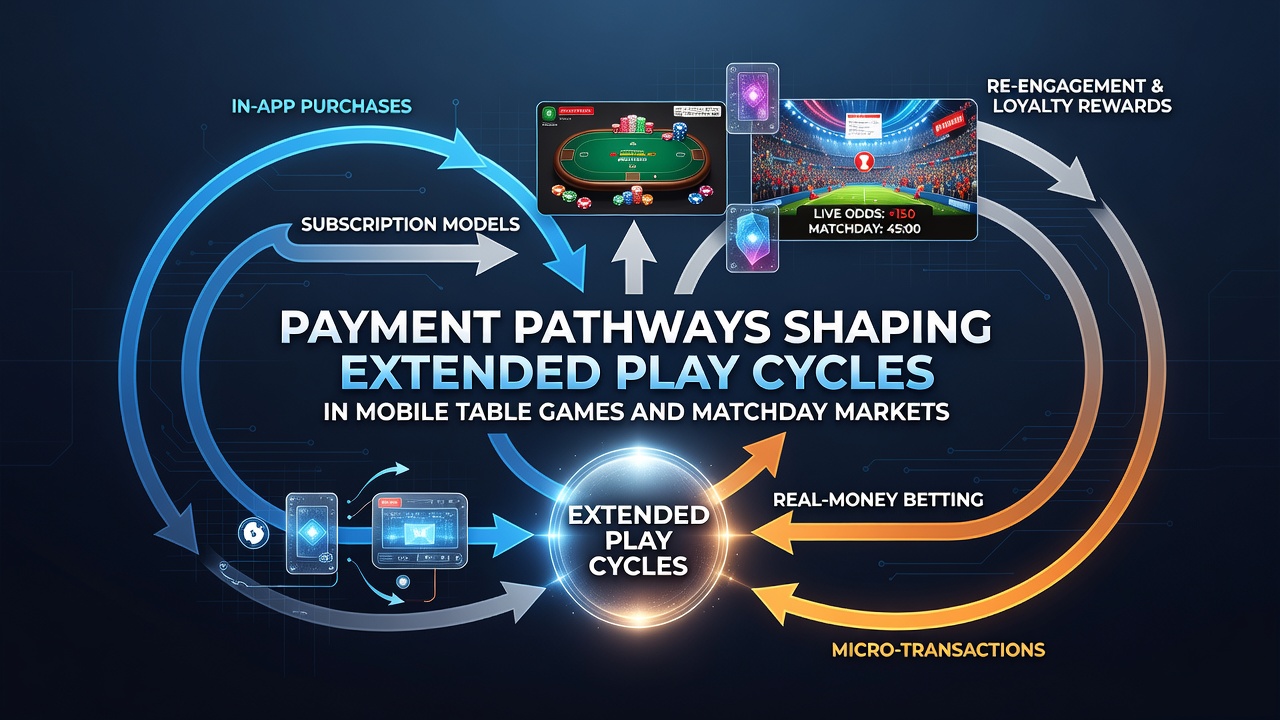
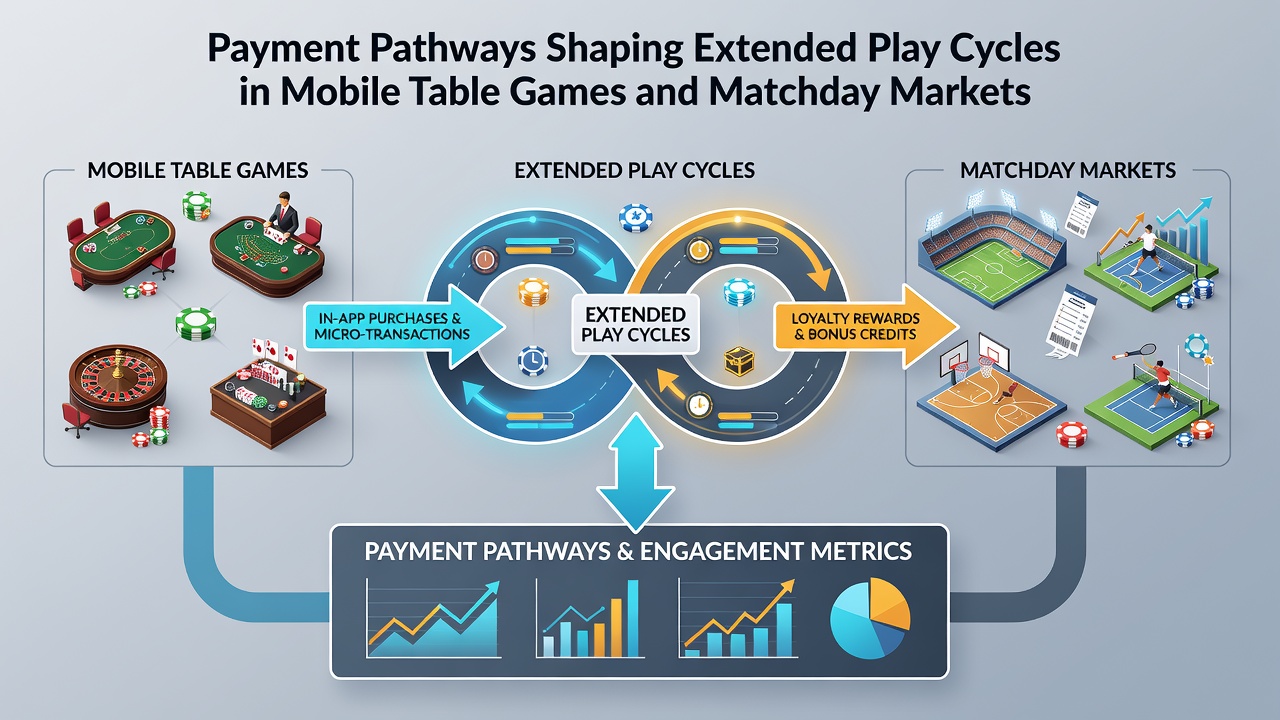
Payment pathways have evolved into key drivers that extend engagement periods across mobile table games and matchday markets, where instant transaction options reduce friction and allow continuous participation without traditional banking delays. Digital wallets, real-time bank transfers, and integrated card solutions connect directly to gaming platforms, which means players complete deposits or withdrawals in seconds rather than minutes or hours, and this speed supports longer cycles of play as observed in multiple international reports released around June 2026.
Researchers tracking transaction data note that platforms offering sub-second processing times see average session durations increase by measurable margins compared with those relying on slower legacy methods, because players encounter fewer interruptions that might otherwise prompt them to log off. Mobile table games such as blackjack, roulette, and poker benefit particularly from these streamlined flows, since quick top-ups let participants stay at virtual tables during peak hours without switching applications or waiting for confirmations.
Mechanics Behind Extended Cycles
Instant payment rails operate through secure APIs that link user accounts to game servers, enabling automatic balance updates while maintaining compliance with regional financial regulations, and this architecture minimizes the steps required between deciding to add funds and resuming play. In matchday markets, where live betting on sports events demands rapid adjustments to wagers, the same pathways allow bettors to respond to unfolding action on fields or courts without exiting the interface, which sustains activity across entire matches or tournaments.
Data from industry analyses indicate that regions adopting widespread instant payment standards record higher retention rates during high-volume event days, because participants face reduced cognitive load when managing multiple small transactions throughout an evening or afternoon. Observers note that integration with popular local banking apps further amplifies this effect, as users leverage familiar interfaces rather than navigating unfamiliar casino-specific portals.
One study released in mid-2026 highlighted how payment speed correlates with play duration across different device types, showing that smartphone users who rely on embedded wallet features maintain activity levels 20 to 30 percent longer than those using traditional card entry forms. Such patterns emerge consistently because fewer friction points translate directly into sustained attention on game mechanics rather than administrative tasks.
Regional Variations and Adoption Patterns
European markets have seen accelerated uptake of instant settlement options following updates to digital payment directives, whereas North American operators report similar gains after state-level approvals for faster processing technologies. Australian regulatory frameworks, including oversight by AUSTRAC, emphasize secure pathways that simultaneously support extended engagement and responsible transaction monitoring, creating environments where longer cycles occur alongside built-in safeguards.
Matchday environments in particular demonstrate pronounced effects when payment options align with event timing, because fans at stadiums or watching remotely can fund accounts between quarters or halves without missing key moments. Mobile table games meanwhile benefit from 24-hour availability paired with round-the-clock transaction capabilities, allowing players across time zones to extend sessions into early morning hours when slower systems might otherwise force breaks.
Data Trends Emerging in 2026
Figures compiled through June 2026 reveal that platforms incorporating multi-currency instant transfers experience reduced drop-off rates during live events, since currency conversion happens seamlessly within the same flow. Academic examinations from institutions such as those affiliated with national problem gambling research networks have begun correlating these payment efficiencies with behavioral metrics, though they stop short of attributing causality without further longitudinal work.
Operators in emerging markets are adopting similar infrastructures at increasing rates, which suggests that extended play cycles may become a global baseline as infrastructure improves. The result appears in aggregated platform statistics showing average daily active time rising alongside payment speed improvements, while session frequency per user remains stable or grows modestly.
Conclusion
Payment pathways continue to shape how long users remain engaged with mobile table games and matchday markets by removing logistical barriers that once interrupted momentum. As transaction technologies advance, the measurable links between processing speed and session length provide operators and regulators with concrete data points for future planning across diverse geographic regions.