29 May 2026
Interconnected Verification Frameworks: Connecting Bonus Checks with Secure Transactions in Roulette Apps and Accumulator Wagers

Verification systems in mobile gaming platforms combine multiple layers that handle both bonus eligibility checks and transaction security, particularly during roulette sessions and football accumulator setups, where data flows connect user accounts to payment processors and game servers. These frameworks operate through sequential protocols that validate identity, confirm promotional terms, and authorize fund movements in real time, ensuring that each step meets regulatory standards set by various international bodies.
Core Components of Verification Layers
Operators structure verification into distinct tiers that begin with account authentication and extend to behavioral monitoring throughout a session, while data from mobile devices feeds into centralized systems that cross-reference details against predefined criteria for bonuses and security flags. Researchers at institutions such as those affiliated with the University of Nevada, Reno have documented how these tiers reduce discrepancies by integrating KYC data with transaction logs, allowing platforms to flag inconsistencies before they affect gameplay or payouts.
Eligibility checks for bonuses rely on rules that examine deposit history, wagering patterns, and account status, and these checks run alongside encryption routines that protect card details and e-wallet transfers during active roulette spins or accumulator selections. According to reports from the Nevada Gaming Control Board, such parallel processing maintains session continuity while enforcing limits that prevent unauthorized bonus claims or fraudulent transfers.
Application in Mobile Roulette Environments
In mobile roulette sessions, verification layers activate upon login and persist through each bet placement, where the system confirms that any active bonus meets geographic and age restrictions before authorizing chip purchases or spin initiations. Transaction security protocols encrypt the data packet containing stake amounts, then route it through fraud detection algorithms that compare current activity against historical patterns stored in the operator database.
Platforms coordinate these checks with device fingerprinting and IP validation, and when a user switches networks mid-session the layers re-verify eligibility without interrupting the wheel spin sequence. This approach supports continuous play while aligning with security benchmarks outlined in industry guidelines from organizations like the European Gaming and Betting Association.
Integration with Football Accumulator Setups
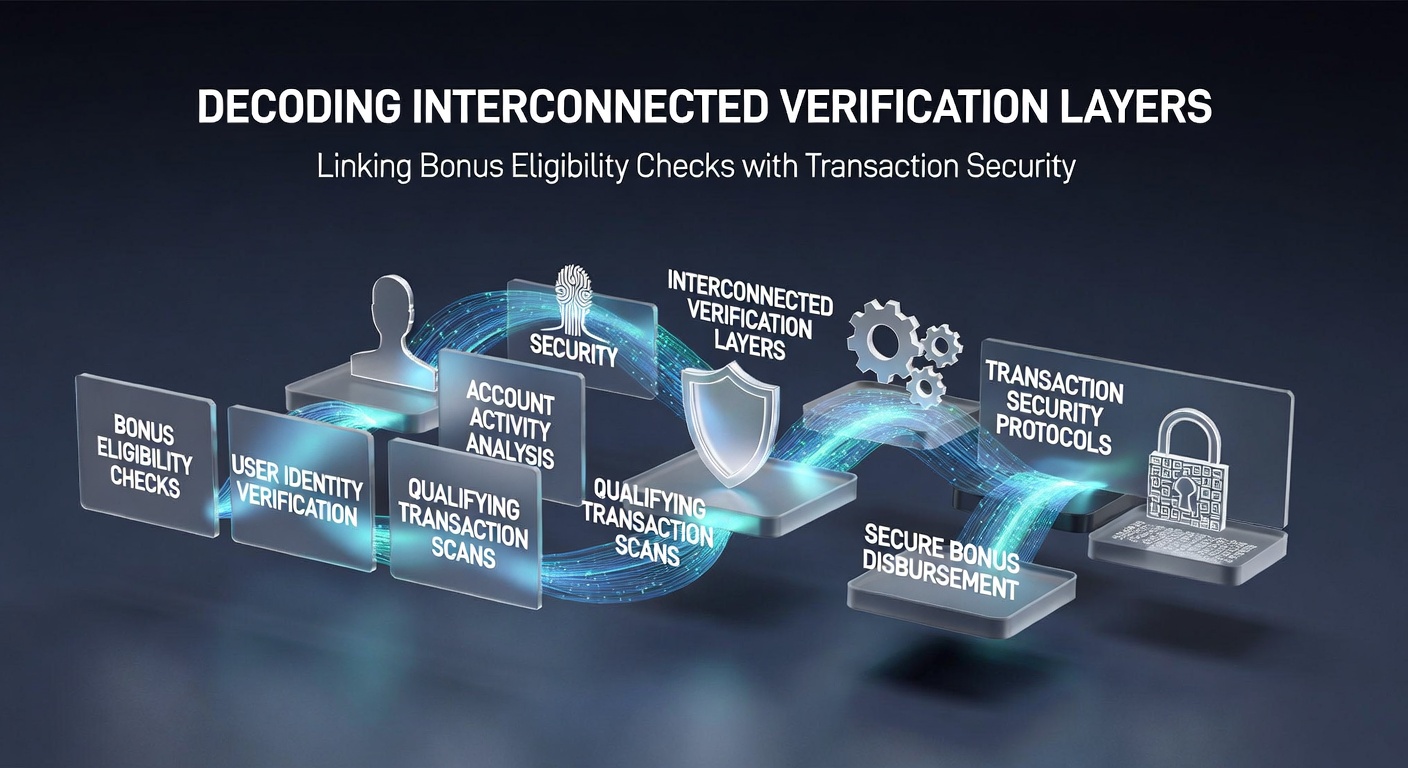
Football accumulator setups introduce additional complexity because multiple match outcomes link into a single wager, requiring verification layers to validate bonus terms across the entire bet slip before confirming the transaction. The system evaluates whether accumulated odds qualify under promotional rules, then applies security filters that scan for unusual stake sizes or rapid placement sequences indicative of automated scripts.
Data from live match feeds integrates with these checks, allowing platforms to adjust accumulator eligibility dynamically if an event status changes, while transaction security remains anchored through tokenization that replaces sensitive payment information with unique identifiers. Observers note that this interconnection prevents bonus abuse in multi-leg bets and supports compliance with standards referenced in academic studies on gaming risk management published through outlets such as the Journal of Gambling Studies.
Developments Around May 2026
By May 2026 several platforms began rolling out enhanced verification modules that incorporate machine learning models trained on larger datasets of transaction anomalies, and these updates specifically target the linkage between bonus validation and payment authorization in both roulette and accumulator products. The changes followed consultations among international regulators and industry groups, resulting in standardized data exchange formats that improve interoperability without compromising individual platform security architectures.
Implementation timelines varied by jurisdiction, yet the core principle remained consistent: each verification layer must complete its check before passing control to the next, creating an unbroken chain that covers eligibility and transaction integrity from initial deposit through final settlement.
Conclusion
Interconnected verification layers form the operational backbone that synchronizes bonus eligibility checks with transaction security across mobile roulette and football accumulator environments. These systems rely on sequential protocols, encryption standards, and cross-referenced data sets to maintain compliance and operational continuity, with ongoing refinements expected to build upon frameworks established through 2026.