Jackpots in the Fog: Britain's Casino Scene Lights Up with Fresh Twists
27 Mar 2026
UK Gambling Chiefs Warn of £10 Billion Black Market Boom at BGC's 2026 AGM
Gathering Storm at the BGC Annual General Meeting
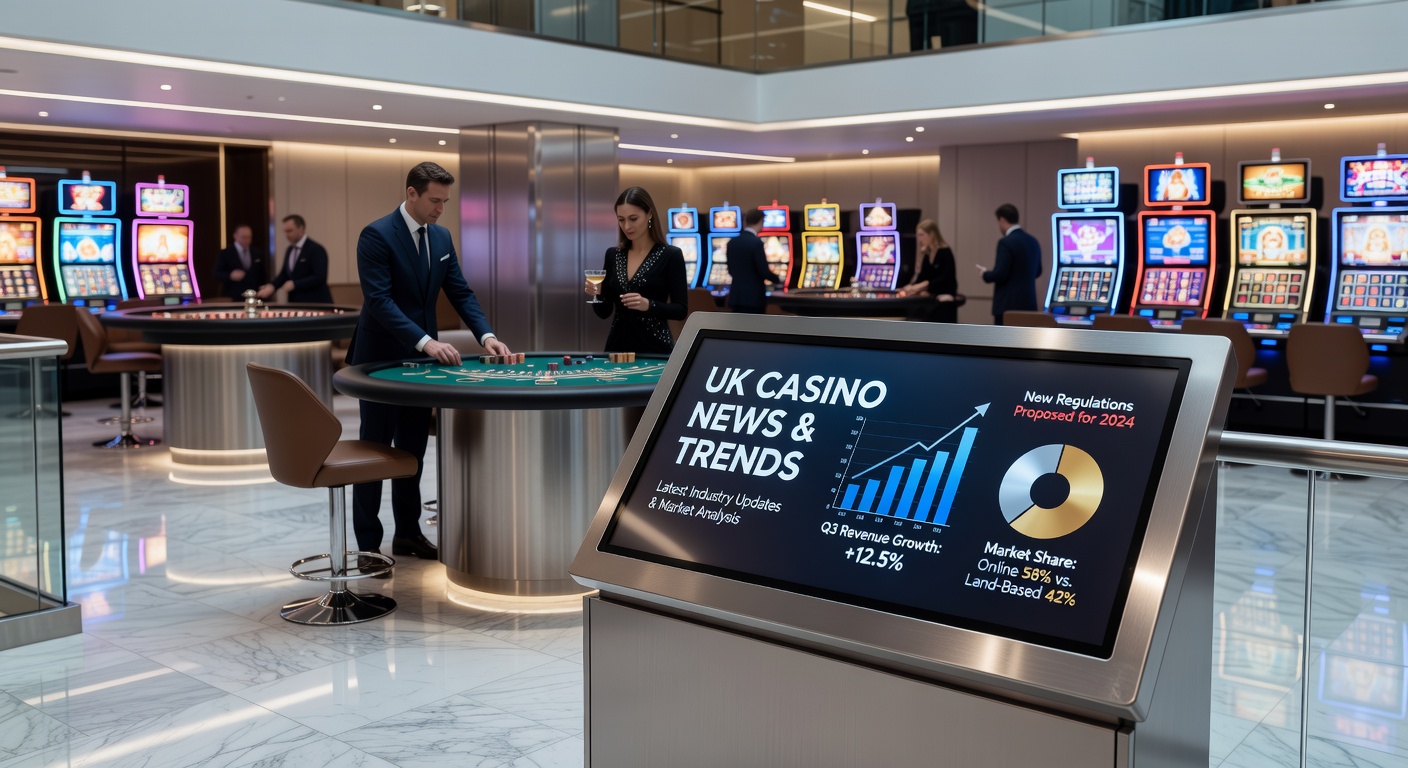
Industry heavyweights convened at the Betting & Gaming Council (BGC)'s Annual General Meeting on 26 March 2026, where alarms rang loud over the surging illegal gambling black market; leaders and the Gambling Minister laid bare stark figures showing 1.5 million UK adults wagering £10 billion each year on unlicensed sites, a chunk that captures 10-12% of all gambling activity across the nation.
What's interesting here is how this black market isn't some fringe issue anymore but a real force reshaping the landscape, with operators dodging regulations and luring players through easy online access points like simple Google searches for non-GamStop casinos. BGC CEO Grainne Hurst took the stage alongside panellists from Rank Group—a major casino operator—Entain, EY, and the Gambling Commission, all hammering home the risks and harms tied to these shadowy platforms.
And while the room buzzed with urgency, attendees heard firsthand accounts of how unlicensed sites strip away player protections, leaving bettors exposed to scams, addiction without safeguards, and zero recourse when things go south. Turns out, this isn't just about lost revenue for legit operators; it's a public safety crisis brewing right under regulators' noses.
Minister Steps Up with Funding and a New Taskforce
Baroness Fiona Twycross, the Gambling Minister, didn't hold back during her address, announcing £26 million in fresh funding spread over three years to bolster the Gambling Commission; this cash injection aims to sharpen enforcement teeth against rogue operators, but here's the kicker—she also unveiled an Illegal Gambling Taskforce uniting forces with tech and finance giants like Google, Mastercard, TikTok, and Visa.
Observers note how this partnership targets the digital pipelines feeding the black market, from search engine results popping up unlicensed casinos to payment processors unwittingly facilitating bets on forbidden platforms; the taskforce plans to clamp down on these access routes, making it tougher for illegal sites to reach UK punters. Data from a shock new study underscores the scale, pinning that 1.5 million user figure and £10 billion spend directly on unregulated channels thriving despite crackdowns.
Take the Google angle, for instance: searches for non-GamStop options still light up with dodgy links, pulling in players frustrated by self-exclusion hurdles or chasing higher stakes; Mastercard and Visa commitments signal a payment blockade, while TikTok's involvement eyes social media ads that slip through cracks, targeting younger demographics with flashy unlicensed promotions.
Tax Hike Looms as Black Market Fuel
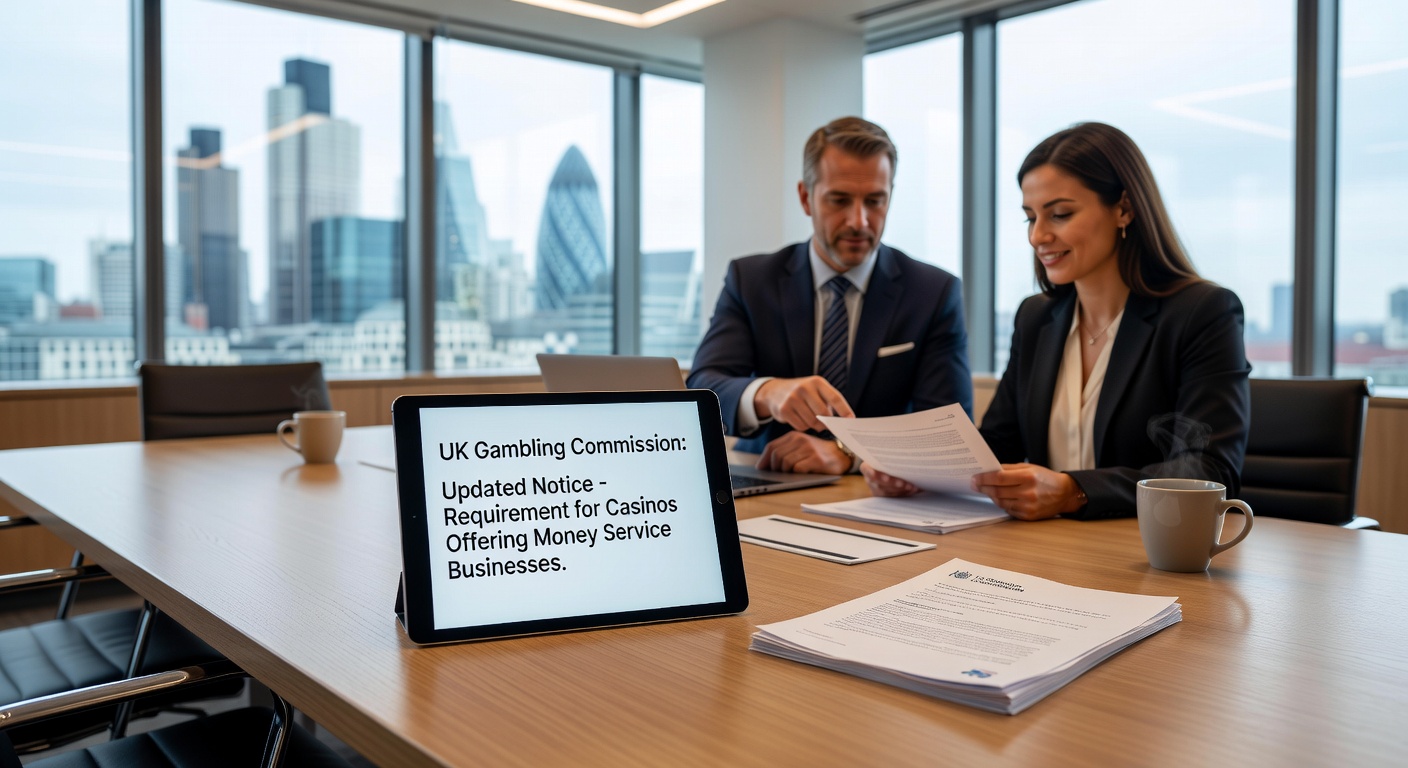
But here's where it gets really dicey: panellists zeroed in on the upcoming April 2026 Remote Gaming Duty increase to 40%, warning it could shove even more activity underground and swell the black market by another £500 million annually. Grainne Hurst led the charge, pointing out how higher taxes squeeze regulated firms' margins, prompting them to tighten offers or exit markets altogether, while unlicensed rivals peddle untaxed bets with juicier odds.
Experts from Entain and Rank Group shared data-backed projections showing this shift in motion already; one study highlighted in the session revealed licensed operators losing ground as punters chase black market deals unburdened by duty hikes. The Gambling Commission's rep nodded to enforcement strains, noting limited resources chase a hydra-headed problem where shutting one site spawns ten more.
That's the rubber meeting the road—regulated gambling funds vital services like problem gambling support through levies, yet tax pressures risk eroding that base; EY analysts crunched numbers onstage, estimating the 40% rate could accelerate a 10-12% black market share toward dominance if unchecked. People who've tracked this space know unlicensed sites often mirror legit ones but amp up risks, from rigged games to data theft, all without a GamStop safety net.
Voices from the Frontlines: Panel Insights
Grainne Hurst didn't mince words, calling the black market a "real risk, real harm" in BGC's official recap, echoing sentiments from the packed hall where delegates swapped stories of customers drifting to offshore havens. Rank Group's input drew from casino floors, where players whisper about unlicensed apps promising no-limits play; Entain reps flagged sports betting voids filled by black market in-play wagers, complete with zero verification.
And the Gambling Commission? They stressed ongoing ops but admitted the £26 million boost arrives none too soon, as illegal volumes outpace seizures. One panellist quipped (in that knowing industry way) it's like Whac-A-Mole on steroids, but with billions at stake. Figures from the BGC AGM report paint the picture: £10 billion isn't pocket change, representing a tenth of the UK's gambling economy siphoned away yearly.
What's notable is the cross-industry unity; usually competitive firms banded together here, urging government rethink on duties before the black market feasts. TikTok's role stands out too, given viral challenges and influencer plugs driving Gen Z toward unregulated slots and bets hidden in short-form videos.
Broader Implications for Players and Operators
Players caught in this web often discover too late the pitfalls—no deposit limits, no reality checks, just endless spins until wallets empty; the taskforce promises tech-driven blocks, like AI-flagged payments or delisted search results, but implementation hurdles loom large. Regulated sites, meanwhile, face a squeeze: post-tax hike, bonuses shrink, stakes cap, pushing casual bettors elsewhere despite safeguards.
So now the ball's in the government's court, with Twycross's announcements signaling action yet tying it to fiscal pressures that sparked the mess. Observers who've followed BGC events know these AGMs often foreshadow policy pivots; this one, held amid 2026's reform whirlwind, spotlights how black market growth threatens the whole ecosystem.
Case in point: one delegate recounted a punter self-excluded via GamStop only to find black market mirrors popping up via TikTok ads, underscoring why Big Tech buy-in matters. And with £500 million more potentially lost to shadows post-April, urgency crackles through every discussion.
Conclusion: A Tipping Point for UK Gambling
The BGC AGM on 26 March 2026 marked a clarion call, uniting ministers, regulators, and operators against a £10 billion black market devouring 10-12% of activity; Baroness Twycross's £26 million pledge and taskforce with Google, Mastercard, TikTok, and Visa offer a fighting chance, yet the 40% Remote Gaming Duty hike risks pouring fuel on the fire, potentially adding £500 million to illicit flows.
Figures reveal 1.5 million adults ensnared already, betting without protections on sites a Google search away; industry voices like Hurst and panellists from Rank, Entain, EY, and the Commission laid out the harms plainly, stressing enforcement alone won't cut it without tax balance. As 2026 unfolds, this convergence could redefine safeguards, but only if momentum holds—otherwise, the shadows grow longer.