7 Jul 2026
Payment Channel Efficiency Sparks Prolonged Engagement in Virtual Blackjack and Football Betting Arenas
 Payment systems have transformed how participants interact with virtual blackjack tables and live football markets, with seamless transaction channels reducing interruptions that once limited session lengths. Faster deposit approvals and instant payout confirmations allow continuous play without the delays associated with traditional banking methods, and observers note this shift has extended average engagement periods across multiple platforms. Data from industry reports indicates that operators integrating e-wallet solutions and digital currency options experience measurable increases in repeat activity during peak hours.
Mechanics Behind Transaction Speed in Gaming Environments
Virtual blackjack sessions rely on rapid fund movements to maintain table momentum, while live football markets demand immediate access for in-play adjustments during matches. Payment channels that process authorizations in seconds enable users to reload balances mid-hand or between goal updates, and this capability stems from partnerships with financial networks that prioritize low-latency verification. Researchers have documented how these integrations cut average wait times from minutes to under thirty seconds in optimized systems, which in turn supports extended sequences of bets without forced breaks.
Those who monitor platform analytics report that participants using instant-transfer methods complete more rounds per hour compared to those reliant on card-based deposits. The difference arises because streamlined channels eliminate confirmation loops that previously prompted users to pause or exit applications. In July 2026 figures released by regulatory bodies in several jurisdictions, platforms with upgraded payment infrastructure showed session durations rising by double-digit percentages in both blackjack and football categories.
Blackjack Table Dynamics and Funding Continuity
Virtual blackjack environments benefit particularly from payment channels that support one-click reloads during dealer rounds, allowing players to adjust stakes without leaving the interface. Multiple operators have implemented layered verification that balances security with speed, and this approach keeps participants engaged through successive hands. One documented case involved a European platform where adoption of real-time e-wallet links correlated with a 22 percent rise in hands played per active user over a six-month span.
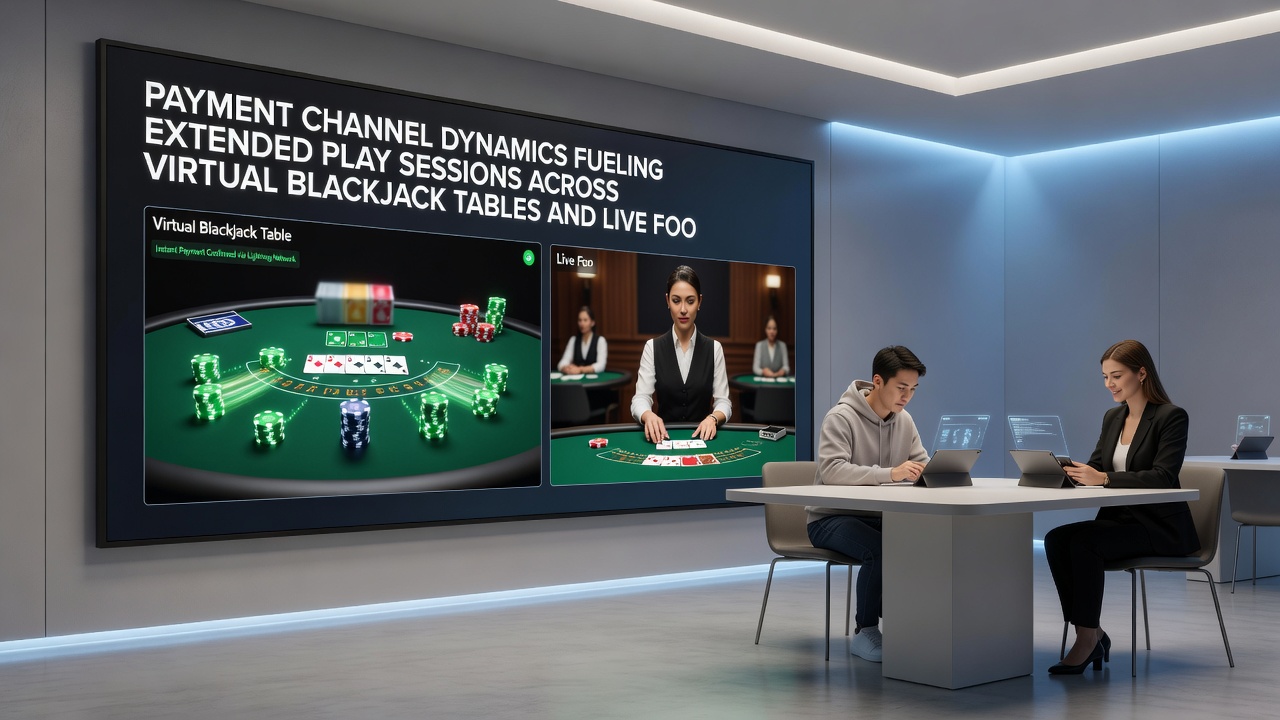
Experts tracking user behavior patterns observe that reduced friction in funding directly influences how long individuals remain at digital tables. When transaction confirmations arrive instantly, players tend to stay through losing streaks or capitalize on favorable card distributions rather than logging off to resolve payment issues elsewhere. Studies conducted by the University of Nevada, Las Vegas highlight similar patterns in controlled simulations, where faster access to funds extended average session times by measurable margins.
Live Football Markets and In-Play Transaction Flows
Football betting platforms experience distinct pressures during matches, as odds shift rapidly and opportunities for accumulators appear and vanish within minutes. Payment channels capable of handling concurrent deposits across multiple events allow bettors to respond without missing windows, and this responsiveness sustains activity through full ninety-minute periods plus extra time. According to data compiled by the European Gaming and Betting Association, markets featuring integrated instant funding reported higher volumes of in-play wagers during major tournaments in early 2026.
Participants often maintain parallel bets on several fixtures, which requires fluid movement of funds between accounts and betting slips. Channels that support these movements without additional authentication steps reduce the cognitive load that can lead to session abandonment. Observers note that platforms incorporating these features see users returning more frequently across consecutive match days, creating compounding engagement cycles.
Comparative Performance Across Payment Methods
Traditional card processing still dominates certain regions yet shows slower adoption rates for extended sessions compared to digital alternatives. E-wallets and cryptocurrency options deliver near-instant settlements that align with the pace of both blackjack and football events, while legacy systems introduce variable delays based on banking hours or network congestion. Figures reveal that users switching to faster methods increase their total transaction count per session, particularly when live markets require repeated top-ups.
One analysis from Canadian regulatory filings compared session metrics across payment categories and found digital channels associated with longer continuous activity blocks. The pattern holds across time zones because these methods operate independently of conventional banking schedules, enabling round-the-clock participation in global football calendars and virtual table rotations.
Conclusion
Payment channel advancements continue to reshape session structures in virtual blackjack and live football environments by minimizing downtime between funding actions and betting decisions. Evidence from multiple sources demonstrates consistent correlations between transaction speed and prolonged engagement, with platforms adapting their infrastructures accordingly. As processing technologies evolve further, these dynamics are expected to influence participation patterns through the remainder of 2026 and beyond.