24 May 2026
Payment Method Shifts Among Roulette Players and Premier League Bettors
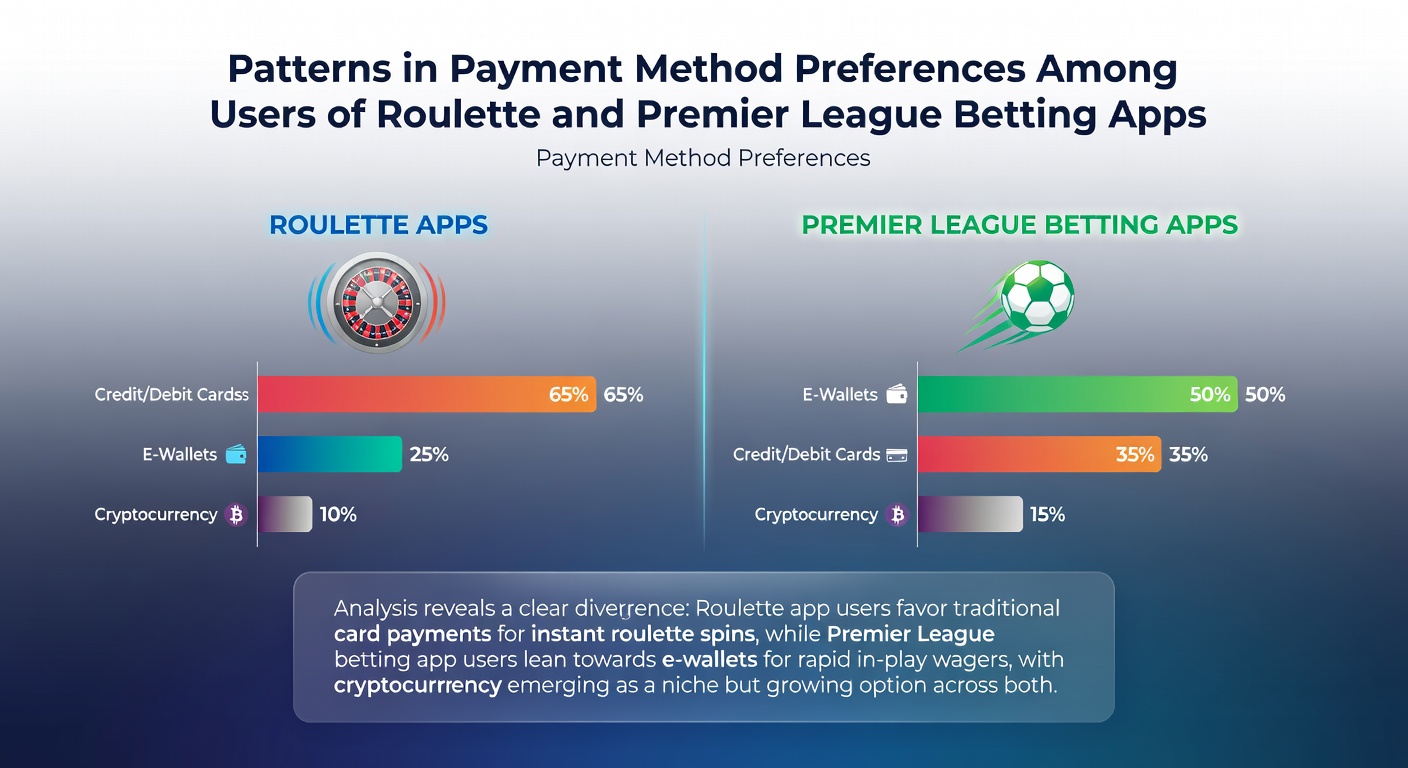
Payment preferences in roulette and Premier League betting apps have shown distinct patterns as of May 2026 with users gravitating toward methods that combine speed with lower fees. Observers note that these choices often align with the pace of each activity where roulette sessions demand quick top-ups while football wagers involve larger accumulated stakes across multiple matches.
Core Payment Categories in Use
Traditional bank transfers still appear in both roulette and Premier League contexts yet their share has declined steadily. Data indicates that digital wallets now handle the majority of deposits because they support instant processing and integrate directly with mobile interfaces. Cryptocurrency options have carved out a niche among users who value privacy though adoption rates vary by region and app policy.
E-wallet services such as PayPal and Skrill dominate roulette transactions because the games require repeated small deposits during extended play sessions. Premier League betting apps meanwhile show higher use of credit cards for initial funding since users often place multi-leg accumulators that exceed typical casino bet sizes. Researchers from the University of Nevada Reno's International Center for Gaming Regulation documented these divides in a 2025 analysis that tracked transaction logs across 12 major platforms.
Roulette Specific Trends
Roulette apps record frequent micro-transactions and payment logs reveal that users return to the same wallet multiple times within a single hour. This pattern favors services with no per-transaction fees and strong mobile authentication. Visa and Mastercard debit options rank second because they allow direct pulls from checking accounts without additional verification steps that can interrupt the flow of live spins.
One platform reported that 62 percent of roulette deposits under £20 came through e-wallets in the first quarter of 2026 while bank transfers accounted for just 11 percent. Those figures align with broader observations that speed matters more than reward points when players chase consecutive wins at the wheel.
Premier League Betting Patterns
Premier League apps display different rhythms because bettors often fund accounts ahead of weekend fixtures and leave balances untouched until midweek. Credit card usage climbs during these periods since users appreciate the ability to spread larger wagers across several matches. Mobile carriers that bundle payments with phone bills have gained traction in markets where data plans already cover app downloads.
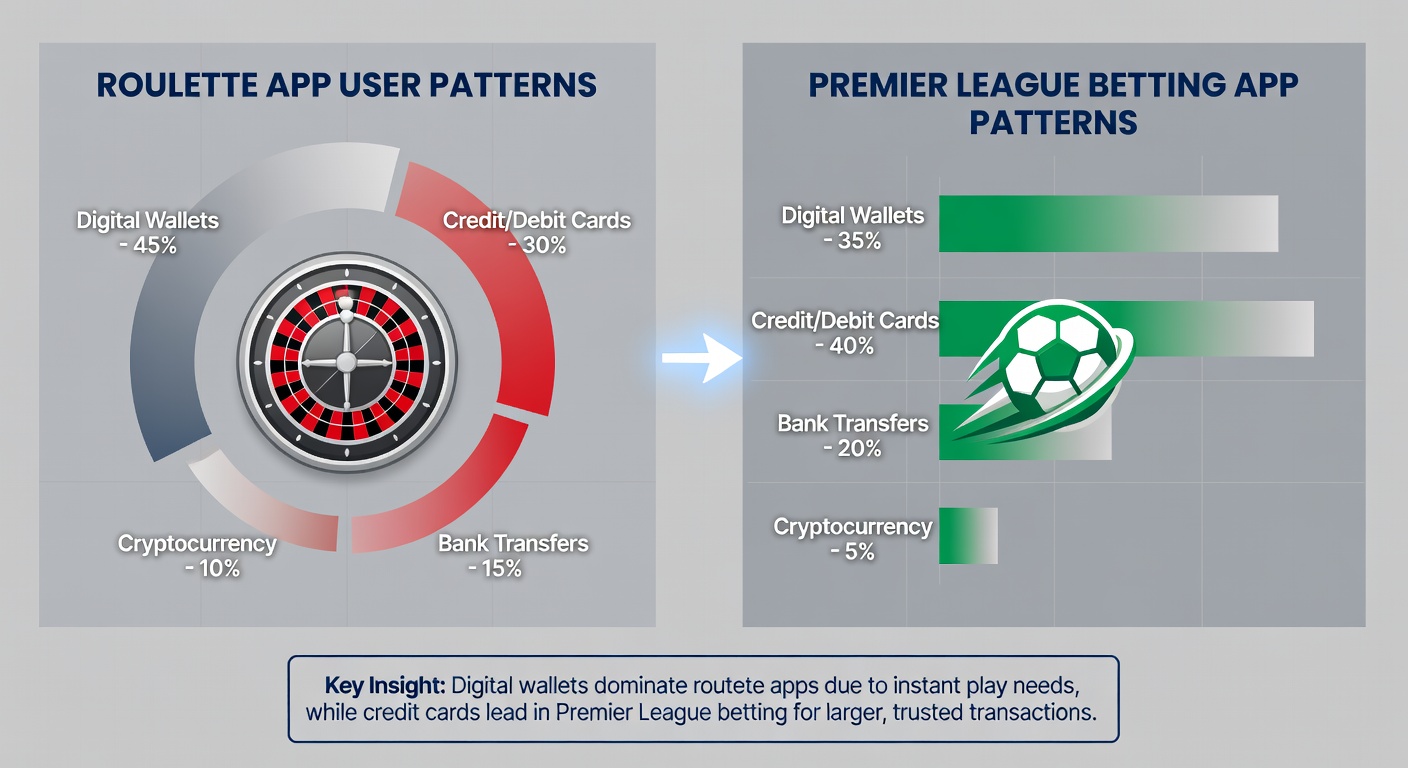
Industry reports compiled by the European Gaming and Betting Association highlight that average deposit values in football apps sit 3.4 times higher than those recorded in pure roulette environments. This gap explains why bank wires still retain relevance for Premier League users who move substantial sums once per week rather than several times per session.
Factors Driving Selection
Regulatory environments shape available options yet user behavior often overrides official lists. Apps that embed biometric login see faster uptake of linked cards because the friction of entering details drops dramatically. Security concerns push a subset of users toward cryptocurrencies especially in roulette where quick cashouts after winning streaks matter. Premier League bettors meanwhile prioritize methods that offer chargeback protections when disputes arise over settled markets.
Geographic differences emerge clearly. Australian users show elevated crypto adoption in both categories according to records from the Australian Communications and Media Authority while European markets lean toward established e-wallets. These regional splits persist even as platforms standardize interfaces across borders.
Transaction Speed and Cost Implications
Speed remains the decisive factor for roulette where delays of even two minutes can cost players access to favorable table limits. Premier League apps tolerate slightly longer processing because odds stabilize hours before kickoff. Cost structures follow the same divide with roulette users avoiding percentage-based fees that erode small repeated deposits while football bettors accept modest charges on larger single transfers.
Studies tracking withdrawal times confirm that e-wallet users in roulette finish cashouts 40 percent faster on average than those using direct bank channels. Similar metrics for Premier League platforms show narrower gaps because withdrawal volumes tend to occur less frequently and in larger blocks.
Conclusion
Patterns in payment method preferences continue to separate roulette and Premier League betting apps along lines of transaction frequency and average value. E-wallets lead roulette activity while cards and occasional bank transfers hold ground in football contexts. As of May 2026 these distinctions remain consistent across major platforms even as new digital options enter the market. Continued monitoring of transaction data will clarify whether emerging methods close the gap or reinforce existing divides.