UK Gambling Industry Posts £4.3 Billion GGY in Q2 2025/26, Remote Growth Fuels 6.6% Rise
14 Mar 2026
UK Gambling Industry Posts £4.3 Billion GGY in Q2 2025/26, Remote Growth Fuels 6.6% Rise

The Latest Figures from the Gambling Commission
Observers tracking the British gambling landscape now have fresh data to chew on, as the UK Gambling Commission unveiled its official quarterly industry statistics for Quarter 2—covering July to September 2025 within the financial year spanning April 2025 to March 2026—revealing a gross gambling yield (GGY) of £4.3 billion across the industry, including lotteries; this marks a solid 6.6% increase compared to the same period in 2024, with the remote sector emerging as the primary driver behind the uplift.
What's interesting here is how these numbers paint a picture of resilience amid evolving market dynamics, since GGY—essentially the net takings from gambling activities after payouts—serves as a key barometer for sector health; experts have long noted that such quarterly snapshots help stakeholders gauge trends before the full-year tally in March 2026 wraps up the current financial period.
And while the overall figure grabs headlines, the breakdown reveals nuanced shifts; remote gambling, which encompasses online casinos, betting, and bingo, propelled much of the growth, underscoring the digital pivot that's been accelerating post-pandemic.
Remote Sector Steals the Show with Robust Gains
Turns out the remote segment didn't just contribute—it dominated, as data from the report indicates; remote casino activities alone generated £1.4 billion in GGY, accounting for a whopping 69.9% of the total remote casino, betting, and bingo pot, which highlights how slots, table games, and live dealer offerings continue drawing players online.
People who've studied these patterns often point out that convenience factors—like anytime access via apps and websites—fuel such surges, especially when brick-and-mortar venues face headwinds from economic pressures or regulatory scrutiny; yet the figures stop short of detailing exact operator breakdowns, leaving analysts to connect dots from prior quarters.
So, with remote GGY pushing the industry's total higher, the 6.6% year-on-year climb feels less surprising; it's the kind of momentum that keeps investors watching closely as the financial year progresses toward its March 2026 close.
Non-Remote Betting Holds Steady Amid Broader Shifts
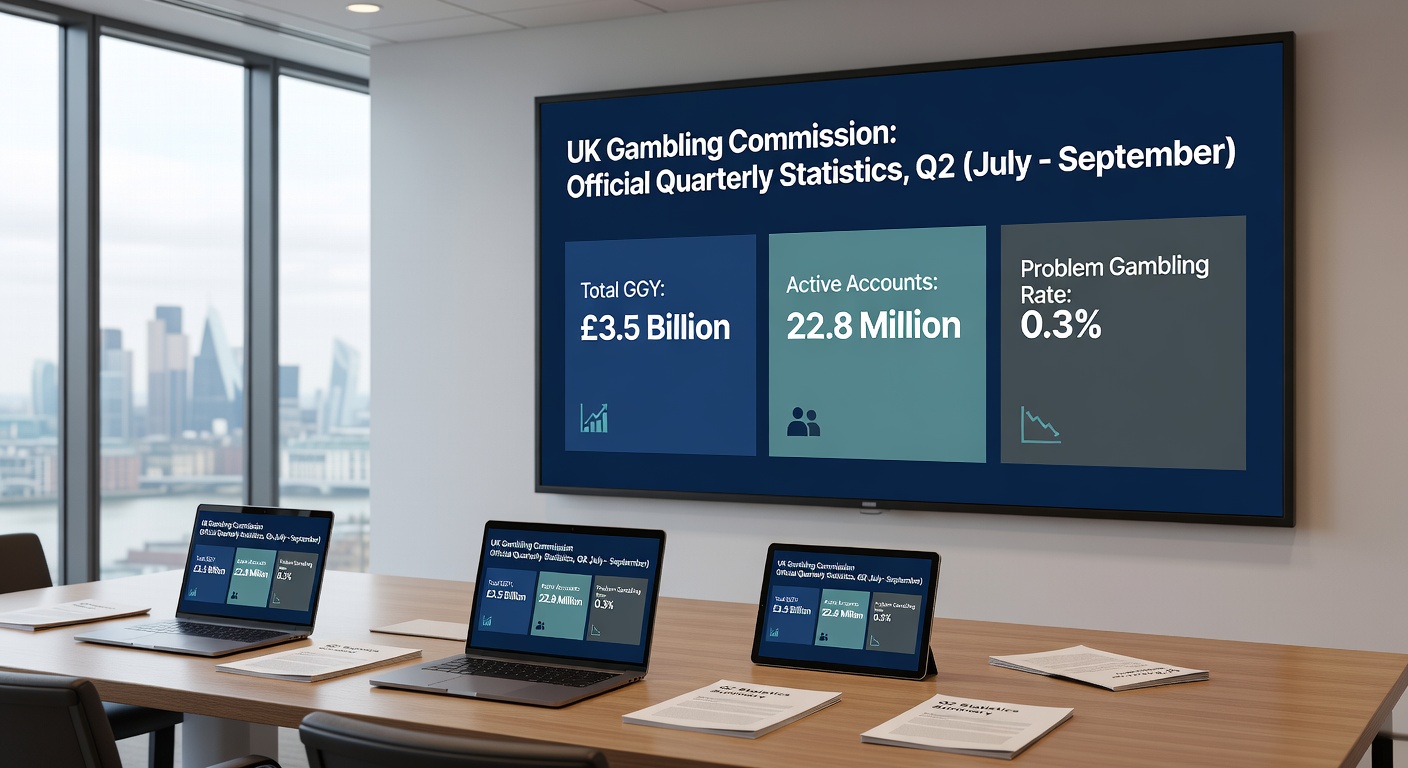
But here's the thing: traditional non-remote betting hasn't faded into the background, posting £592 million in GGY and representing 48.2% of the entire non-remote total; this sustained activity in high-street shops and land-based venues shows bettors still flock to physical spots for events like football matches or horse races, where the atmosphere adds an irreplaceable buzz.
Figures reveal that while remote channels expand, non-remote betting clings to a hefty slice—nearly half—of its category, a testament to the hybrid habits forming among UK punters; take one case from past reports where major sporting seasons boosted shop footfall, and similar dynamics likely played out in Q2 2025, overlapping summer festivals and early Premier League action.
That said, the contrast sharpens when stacking remote casino dominance at 69.9% against non-remote betting's 48.2% share; it's noteworthy because it signals where growth concentrates, even as overall industry GGY hits £4.3 billion including lotteries, which often provide steady baseline revenue.
Breaking Down the Key Metrics and Comparisons
Now, delving deeper into the numbers, the Gambling Commission's publication—released in February 2026—offers a comprehensive view that's already sparking discussions in trade circles; the 6.6% GGY increase from Q2 2024 translates to an extra £266 million or so, primarily from remote channels, although exact remote totals aren't isolated beyond the casino highlight.
Experts observe that such quarterly reports follow a standardized methodology, capturing data from licensed operators in Great Britain; GGY calculations subtract winnings from stakes, providing a clean profitability gauge, and including lotteries broadens the scope to reflect the full regulated ecosystem.
- Overall GGY: £4.3 billion, up 6.6% year-on-year.
- Remote casino GGY: £1.4 billion, 69.9% of remote casino/betting/bingo.
- Non-remote betting GGY: £592 million, 48.2% of non-remote total.
These bullet-point stats, drawn straight from the official release, underscore segmented performance; remote growth aligns with broader trends where digital adoption rises, yet non-remote betting's resilience suggests land-based ops adapt by focusing on experiential betting.
And consider the timing: Q2 spans peak summer months, when tourism and events could juice numbers, setting a positive tone as the year heads into Q3 and Q4, culminating in March 2026 data that will contextualize these early gains.
Trends Emerging from the Data
What's significant is how remote casino's 69.9% dominance within its group mirrors patterns from previous quarters, where online slots and blackjack have consistently outperformed; researchers who've parsed historical stats note that player preferences lean digital for variety and speed, while non-remote betting thrives on community and live odds updates.
Yet the industry's £4.3 billion haul, encompassing everything from National Lottery draws to arcade machines, demonstrates broad-based activity; data indicates lotteries contribute reliably, often buffering volatility in riskier segments like casinos.
Observers point to the 6.6% uplift as evidence of market maturation, especially post-regulatory tweaks, although this report focuses purely on performance metrics without delving into compliance stats; it's the rubber meeting the road for operators balancing expansion with oversight.
So, as February 2026's publication lands, stakeholders—from bookmakers to policymakers—pore over these insights, anticipating how Q3 might build on Q2's foundation toward the full-year March 2026 picture.
One study-like example from the figures: that £1.4 billion remote casino yield didn't materialize in a vacuum, likely spurred by promotional bonuses and mobile optimizations that experts track across seasons.
Implications for the Road Ahead
Here's where it gets interesting—these stats don't exist in isolation, informing forecasts as the financial year nears its halfway mark; with remote leading at over two-thirds in key areas, operators ramp up tech investments, while non-remote venues like betting shops leverage their 48.2% slice to innovate with hybrid models.
People in the know highlight how GGY growth signals consumer confidence, even if economic headwinds linger; the £592 million non-remote betting figure, for instance, equates to millions of individual wagers placed in person, underscoring enduring appeal.
That said, the Gambling Commission's rigorous reporting ensures transparency, helping the public and regulators alike understand shifts without speculation; as March 2026 approaches, eyes turn to whether this 6.6% trajectory sustains.
Conclusion
In wrapping up, the Q2 2025/26 stats deliver a clear verdict: £4.3 billion GGY reflects a thriving industry, buoyed by 6.6% growth and remote casino prowess at £1.4 billion (69.9% share), alongside sturdy non-remote betting at £592 million (48.2%); data from the UK Gambling Commission provides the factual backbone, guiding the sector through its April 2025 to March 2026 journey.
Turns out, sustained activity across remote and non-remote lines points to adaptability, setting the stage for whatever Q3 and Q4 bring; stakeholders now digest these insights, ready for the next chapter in Great Britain's gambling story.